
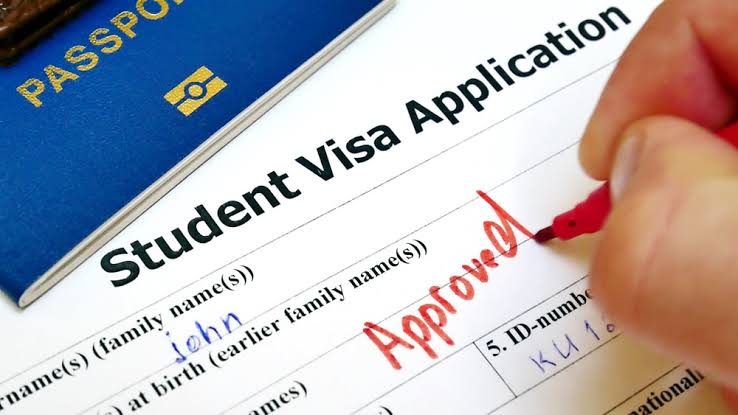
What Are The Requirements For A US Student Visa in 2025?
Thinking of studying in the United States in 2025? If you’re an international student, getting a US student visa—most likely the F-1 visa—is one of the most important steps in your journey. But navigating the visa process can feel overwhelming without clear, up-to-date guidance.
In this article, you’ll find everything you need to know about US student visa requirements in 2025: from application documents to interview tips, processing times, costs, and post-study work options.
Let’s break it down.
📌 What Is a US Student Visa?
A US student visa is a non-immigrant visa that allows international students to enter the United States for the purpose of full-time academic study. The most common types are:
F-1 visa: For students enrolled in academic programs (like bachelor’s, master’s, or MBA).
M-1 visa: For students in vocational or technical training.
J-1 visa: For short-term exchange students, interns, or researchers.
If you’re planning to study at a US university or business school, the F-1 visa is likely the one you’ll need.
✅ US Student Visa Requirements in 2025
To apply for an F-1 visa in 2025, you’ll need to meet the following requirements:
- Admission to a SEVP-Approved School
Before you can even apply for a visa, you must first be accepted into a SEVP-certified institution (Student and Exchange Visitor Program). After acceptance, the school will send you Form I-20, which is essential for the visa process.
- Valid Passport
Your passport must be valid for at least six months beyond your intended stay in the U.S.
- Form DS-160
This is the online non-immigrant visa application form. Once completed, you’ll get a confirmation page with a barcode that you must bring to your visa interview.
- Visa Application Fee
The application fee for the F-1 visa is $185 as of 2025. This fee is non-refundable and must be paid before scheduling your interview.
- SEVIS Fee
In addition to the visa fee, you must pay the SEVIS I-901 fee, which is $350 for F-1 applicants. This supports the Student and Exchange Visitor Information System.
- Proof of Financial Resources
You must show evidence that you can financially support yourself during your study period. This includes:
Bank statements
Scholarship letters
Sponsor affidavits
Tuition payment confirmations
You’ll need to show funds that cover at least the first year of tuition and living expenses.
- Academic Documents
Bring copies of your:
Transcripts
Diplomas
Test scores (like TOEFL, IELTS, GRE, GMAT)
These documents demonstrate your academic readiness for the program.
- Ties to Your Home Country
You must convince the consular officer that you intend to return home after your studies. This could include:
A job offer
Family business
Property ownership
Career prospects
Failure to show “non-immigrant intent” is one of the top reasons for visa denial.
🗓️ How Long Does the F-1 Visa Process Take?
The average processing time after your interview is 5 to 7 business days, but it can vary depending on your country and embassy workload.
To be safe, you should start your application process at least 3 months in advance of your program start date. Interview appointment slots may also be limited in high-demand periods.
🧾 What to Expect at Your Visa Interview in 2025
As of September 2025, in-person interviews are mandatory again—after being temporarily waived during the pandemic. Expect detailed background checks and questions about:
Why you chose your university
How you’ll fund your education
What your career goals are
Your ties to your home country
💡 Tip: You may be asked to unlock or explain your social media activity, so keep your digital footprint clean and consistent with your application.
💼 Can You Work While Studying on an F-1 Visa?
Yes, but with strict limitations.
During Year One:
Only on-campus employment is allowed (up to 20 hours/week).
No off-campus work is permitted unless you have Special Student Relief or face economic hardship (with authorization).
After the First Year:
You can apply for off-campus employment through:
CPT (Curricular Practical Training): Must be related to your field of study and part of your academic program.
OPT (Optional Practical Training): Allows up to 12 months of work after graduation.
If you’re in a STEM program, you may be eligible for a 24-month extension (total of 36 months).
🧭 What Happens After You Graduate?
Graduating from a US university or business school opens doors—but staying in the US to work requires another visa.
- OPT Visa (Optional Practical Training)
This is the first step for many international graduates. You must apply within:
90 days before your graduation
Or 60 days after graduation
You need university endorsement and proof that the job relates to your field of study.
- H-1B Work Visa
This is the most popular visa for international graduates. It allows you to work in a specialty occupation and is valid for 3 years (renewable to 6 years).
Requires employer sponsorship
65,000 cap, plus an additional 20,000 for master’s students
Selection is by lottery, so not guaranteed
💡 Good news: MBA or master’s graduates get two chances in the lottery—one for the master’s cap, and one for the general cap.
- Other Long-Term Visa Options
O-1 visa: For individuals with exceptional skills or achievements
L-1 visa: For internal company transfers
EB-2/EB-3: Employment-based green card sponsorship
✈️ What’s New in 2025 for US Student Visas?
Here are some important 2025 updates:
In-person interviews are back, starting September
Enhanced background checks, including social media screening
Earlier application advised, due to increased demand and possible delays
Visa issuance freezes lifted in early 2025, but backlogs remain
💡 Pro Tips to Boost Your Visa Approval Chances
✅ Apply early—start at least 90 days before your program begins
✅ Be honest and consistent in your answers
✅ Bring all required documents in original and copy
✅ Demonstrate strong ties to your home country
✅ Avoid vague answers during the interview
✅ Prepare for questions about finances, goals, and program choice
Final Thoughts: Is the US Student Visa Worth It?
Absolutely. Despite the costs, paperwork, and strict vetting process, the F-1 visa is a gateway to world-class education and global career opportunities.
Whether you’re aiming to land a role in Silicon Valley, Wall Street, or a Fortune 500 firm, studying in the US gives you access to networks, resources, and employers that few countries can match.
If you start early, stay organized, and follow the process correctly, your US study dream in 2025 can become a reality.
🙋 Have More Questions?
If you’re still unsure about your visa status or need help with the application process, check out the official US Department of State visa website or contact your university’s international student office.