
Keeping Watch: The Rise of Visa-Sponsored Security Guard Careers in the USA
The Night Watchers
It’s just past midnight in downtown Chicago. A uniformed guard paces slowly through the marble lobby of an office tower, pausing to check a door handle before glancing up at the flicker of CCTV monitors above the reception desk. Outside, a drizzle dampens the city’s grid, but inside, the routine is steady, predictable, vital. This is the quiet heartbeat of modern security work: unglamorous, unseen, yet indispensable.
Thousands of miles away, in Nairobi, a 24-year-old security supervisor named Joseph sits hunched over his phone. He’s scanning job listings and WhatsApp groups for a chance to move his career stateside. “In Kenya, you can work as a guard for ten years and still struggle,” he says. “But in America, they respect this work more. There’s better pay, training, you can grow. Even get your family there.”
Joseph is right — at least in theory. The reality is more complex, shaped by shifting U.S. immigration rules, tight labour markets, and the unique demands of an industry built on trust, vigilance, and the promise of safety.
Why America’s Security Needs Keep Growing
Across the United States, demand for security guards has risen sharply over the last decade. You see them everywhere: shopping centres, stadium gates, construction sites, corporate lobbies, hospital corridors. They’re the first eyes on a problem, the ones who call 911, calm a crowd, deter a petty thief, or, when necessary, stand in harm’s way.
Multiple factors drive this growth. There’s the relentless churn of urban development — new buildings, venues, and public spaces that need protecting. There’s the rise in large-scale public events: concerts, conventions, sports matches that draw tens of thousands. Post-pandemic concerns about crime spikes and civil unrest have also pushed businesses and institutions to tighten up on-site security.
Add to this the fact that many cities — New York, Miami, Los Angeles, Houston — are facing local labour shortages for these roles. Turnover is high, the work can be monotonous, and pay for entry-level positions isn’t always enticing to local workers. So increasingly, employers and contractors have looked overseas to fill the gaps, particularly for seasonal or specialised security roles.
“Security work is no longer the sleepy backroom job people thought it was,” says David Castillo, a senior manager with a nationwide private security firm based in Texas. “It’s an industry that’s professionalising fast. Technology, licensing, risk management — these are real skills. And sometimes we need to look outside the U.S. to find the right people, especially for large contracts or remote sites.”
The Hidden Gate: How Visa Sponsorship Works
When people imagine moving to America for work, they picture high-demand fields like tech, healthcare, or engineering. Security guarding doesn’t exactly leap to mind — yet for certain roles, the U.S. immigration system does have pathways, though they’re narrower than you might think.
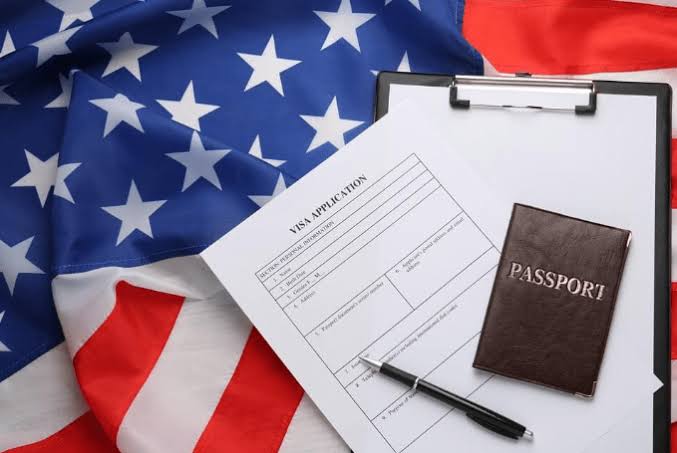
The most common route is the H-2B Temporary Non-Agricultural Worker Visa. This visa allows U.S. employers to bring in foreign workers to fill seasonal or temporary roles when they can prove there aren’t enough local workers willing, able, and qualified to do the job. Though often used for landscaping, hospitality, and construction, some large event security firms tap the H-2B system for major sporting events, conventions, and tourist seasons.
“We use H-2Bs for big event surges,” says Castillo. “Say you’re running security at a multi-week festival or the playoffs at a huge stadium — your local guards might not be enough. But H-2Bs let you bring in properly vetted, trained staff for that window. It keeps clients safe and the business running.”
For longer-term roles, the path is trickier. Entry-level security guards generally don’t qualify for high-skilled work visas like the H-1B. Instead, some employers may sponsor a worker for an EB-3 Employment-Based Green Card, especially for permanent positions with more responsibility or in areas with chronic shortages. But the process is complex: it involves labour certifications, a clear demonstration that no qualified U.S. worker is available, and a fair wage guarantee.
Who Makes the Cut?
So what does it take for an overseas applicant to stand out? First, there are universal basics: a clean criminal record, physical fitness, solid references, and some English proficiency. But beyond that, the difference is often experience and niche skills.
Take Daniel, a Nigerian ex-soldier now working as an armed guard at a petrochemical plant in Louisiana. “The company wanted people with military background for a high-risk site. They trained us here too, but my years with the army back home made me a better fit,” he says.
In certain sectors — defence, aviation, government facilities — guards may need additional clearances or experience in handling firearms. States like California or Florida require separate licensing and training for armed roles, including passing firearms safety courses and background checks.
Then there’s technology. Today’s guard isn’t always just pacing a fence line; they’re managing surveillance drones, monitoring AI-driven camera feeds, or logging incidents in real-time. Familiarity with modern security systems can set an overseas candidate apart.
Inside the Job: What It’s Really Like
Let’s be honest: security guard work in the U.S. isn’t always glamorous. Shifts can be long and mostly spent on your feet or behind a monitor. The hours might be overnight, weekends, or public holidays. Pay varies wildly, from just above minimum wage for basic unarmed posts to higher rates for armed roles or government contracts.
“The first thing I tell new recruits is don’t expect an action movie,” laughs Castillo. “Ninety percent is routine — checking doors, watching cameras, writing reports. It’s the 10 percent that matters, when you have to stay calm, make the right call, and maybe keep people safe.”
Still, for many, the trade-offs are worth it. Salaries for entry-level guards might run from $25,000 to $40,000 per year, but armed guards or supervisors can make $50,000 to $70,000, with opportunities to move into management. Some big firms, like Allied Universal or Securitas, offer health insurance, paid leave, and even tuition assistance for further training.
The Human Side: Challenges and Rewards
Adjusting to life in the U.S. can be both exhilarating and daunting for foreign guards. There’s the cultural shift, of course — how Americans relate to authority, deal with conflict, or simply the way people expect to be addressed.
Language barriers can also be a hurdle. Guards often need to communicate clearly with the public, local police, or medical personnel. An incident might unfold in seconds; clear English instructions can mean the difference between calm resolution and chaos.
Housing can be another concern. Some companies help arrange accommodation for their sponsored workers, at least at first. Others expect them to sort it themselves. Big cities like New York and San Francisco offer higher wages but swallow them up in rent and transport costs.
“When I arrived, I was shocked at how much an apartment cost,” says Daniel. “Half my pay was gone. But after a year I found roommates. Now it’s better, and I’m saving for my own security licence upgrade.”
Pathways to Stay
One reason the security guard route appeals to some is the potential to turn a temporary visa into a more permanent foothold. An H-2B is, by definition, temporary — capped at three years, with mandatory breaks. But some workers find employers willing to sponsor them for an EB-3 visa, converting a short-term role into a green card application.
There are also family pathways. If you marry a U.S. citizen, for example, you may qualify for residency through family sponsorship. Some who start as security guards even build enough savings to train in a related field: law enforcement, cyber security, or risk management.
Where to Look: Best States and Sectors
If you’re eyeing the U.S. security market, where should you target your search?
Major Cities: Big metro areas like New York, Los Angeles, Chicago, Houston, and Miami are always hiring. More people, more property to protect.
Events & Hospitality: Resorts, hotels, casinos, and event companies often use H-2B visas for seasonal peaks. Think ski lodges in Colorado or beach resorts in Florida.
Critical Infrastructure: Ports, airports, and energy plants need higher-trained guards, often with clearance. These roles pay better and may justify longer-term sponsorship.
Federal Contracts: Some federal jobs allow for foreign workers if they meet clearance and citizenship requirements. But competition is fierce, and these often go to veterans or citizens first.
Advice from the Field
I asked every guard I spoke to for one piece of advice for anyone hoping to make the leap. Joseph, still in Nairobi, put it best: “Get your documents ready. Be honest. And know it’s real work — not just standing around. You need to prove you’re serious.”
Daniel, the ex-soldier in Louisiana, adds: “If you get your chance, don’t waste it. Work hard, show up on time, and keep learning. America has opportunities, but you must earn them.”
A Changing Industry
The security industry is changing fast. Tech firms are experimenting with AI and remote monitoring to reduce reliance on human guards. Drones patrol some industrial sites now, sending alerts to a control centre miles away.
But humans remain essential. A camera can’t defuse a fight in a bar or comfort an elderly resident who’s locked herself out. The future will likely see guards evolve into tech-enabled safety officers, blending surveillance with old-fashioned people skills.
The Takeaway
If you’re a foreign worker eyeing a move to the U.S., security guarding might not be the first profession you think of — but it’s one of the few entry-level roles where sponsorship is still possible for the right candidates. It’s a foothold, a stepping stone, a first rung on the ladder.
Will it make you rich overnight? Probably not. But for many, it’s the chance to build a better life, gain new skills, and maybe put down roots in a country that still sees security, quietly but profoundly, as a pillar of daily life.
So if you see yourself pacing those lobbies, watching those feeds, and keeping a quiet eye while the city sleeps — there’s a uniform waiting.