
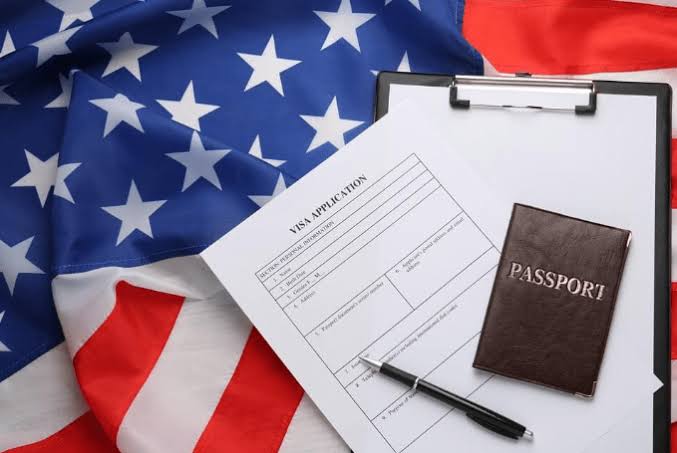
How to Get a US Visa Appointment Faster in 2025
Applying for a U.S. visa in 2025 is more competitive and time-sensitive than ever. With increased demand for travel, study, and business opportunities in the United States, visa appointment slots often fill up quickly, leaving many applicants frustrated and delayed. The good news is that there are several proven strategies you can use to secure an appointment faster and improve your chances of a smooth visa process.
In this guide, we’ll walk through everything you need to know, from understanding the U.S. visa appointment system to actionable tips that can save you time, money, and unnecessary stress.
Why US Visa Appointments Are Harder to Get in 2025
Before diving into strategies, it’s important to understand why visa appointments are so competitive right now:
- Post-pandemic travel surge – Millions of travelers are applying after years of delays, increasing demand.
- Policy updates – The U.S. Department of State revised its interview waiver rules (effective September 2025), meaning more applicants now require in-person interviews.
- Student and work visa boom – Universities and companies in the U.S. are reporting record numbers of foreign applicants, putting pressure on embassies.
- Limited embassy resources – Not every consulate has the capacity to handle the surge in demand, which creates backlogs.
This combination means that applicants who take a “wait and see” approach often end up missing opportunities.
Step 1: Choose the Right Visa Category
Not all visa categories face the same level of demand. For example:
B1/B2 Visitor Visas (tourism and business) often have the longest waiting times.
F1 and J1 Student Visas may get priority during academic seasons.
Work Visas (H1B, L1, O1) typically have stricter timelines tied to employment dates.
Pro Tip: Check the U.S. Department of State Visa Appointment Wait Times tool online before you apply. This gives you an estimate of wait times by location and helps you plan better.
Step 2: Book Early and Don’t Wait
Many applicants mistakenly think they should wait until their travel date is closer before applying. In reality, the best approach is to book the earliest possible appointment, even if your intended travel is months away.
Why? Because you can reschedule later if needed, but waiting too long means you might not find any available slots at all.
Step 3: Monitor Multiple Locations
Most people apply at the nearest embassy or consulate, but appointment availability varies by location. For example, if you’re applying from India, the wait time in Mumbai might be six months, while Chennai or Hyderabad may have earlier slots.
Tips for this strategy:
Check different consulates in your country regularly.
Be ready to travel to a different city if you find an earlier appointment.
Always confirm that the alternate location accepts applications for your visa category.
Step 4: Use the Emergency Appointment Option
The U.S. embassy provides emergency or expedited appointments in certain cases, such as:
Urgent medical treatment.
Death or serious illness of an immediate family member.
Students who risk missing the start of their program.
Critical business travel that cannot be postponed.
To request one, you need to:
- Book a regular appointment (even if far in the future).
- Log in to your CGI Federal account and request an expedited appointment.
- Provide supporting documents (hospital records, university letters, business invitations).
Note: Abuse of this option (e.g., making false claims) can result in denial or even bans.
Step 5: Keep Checking for Cancellations
Visa slots open up regularly when applicants reschedule or cancel their appointments. If you’re persistent, you can snag one.
How to do this effectively:
Log in daily, sometimes multiple times.
Best times to check are early morning and late at night in the consulate’s time zone.
Enable email or SMS alerts if available on the scheduling platform.
This requires patience, but many applicants report success with this method.
Step 6: Prepare Your Documents in Advance
Even if you secure a fast appointment, being unprepared can delay your process. At a minimum, you should have:
Valid passport with at least 6 months beyond intended stay.
DS-160 confirmation page (online visa application form).
Visa fee receipt.
Appointment confirmation letter.
Supporting documents: financial statements, employer letters, university admission letters, travel itinerary.
Having everything ready ensures that you can move quickly if you get a sudden opening.
Step 7: Work With Trusted Agencies (Cautiously)
Some applicants use verified travel and visa agencies to help them secure appointments faster. While this can work, there are risks:
Avoid agencies that claim “guaranteed” slots for extra fees—these are often scams.
Stick to reputable, government-recognized travel agencies if you go this route.
Never share your personal login credentials with unverified agents.
Step 8: Stay Updated on Policy Changes
As of September 2025, the interview waiver policy has changed. Previously, applicants under 14 or over 79 were automatically exempt from interviews. Now, most applicants—regardless of age—require in-person interviews, with few exceptions (such as diplomats).
This means families traveling with children should plan for longer timelines. Staying informed about such changes prevents surprises that could derail your plans.
Step 9: Be Flexible With Your Travel Dates
Flexibility is one of the most underrated strategies. If you’re willing to adjust your travel dates, you have a better chance of securing a faster appointment. For example:
Applying in off-peak months (January–March, September–October) often has shorter wait times.
Avoid peak seasons (summer and December holidays).
Step 10: Avoid Common Mistakes
Many applicants delay their process because of avoidable errors:
Incorrect DS-160 form entries (wrong passport number, typos in names).
Mismatched documents (e.g., different details on bank statements and forms).
Failure to attend the biometrics appointment (OFC) before the interview.
Double-check all information before submission to save weeks of delays.
Conclusion
Securing a U.S. visa appointment faster in 2025 requires planning, persistence, and strategy. By booking early, monitoring multiple locations, checking for cancellations, and staying updated on policy changes, you can significantly improve your chances of success.
Remember: every applicant’s situation is unique. A student heading to a U.S. university will need a different approach than a business traveler attending a conference. The key is to start early, stay flexible, and be proactive.